


What does a professional eye test involve?
When a child comes in for an eye exam, there are some important steps we go through together to ensure their vision is optimal. Here we explain what happens!


1. Medical history
First, we'll take a brief medical history. This means we'll ask some questions. We want to know if the child has had any eye diseases in the past or if they are currently experiencing any vision problems. We'll also ask about the family history, specifically whether there have been any vision problems in the family. This will help us better understand what the child needs.
2. Objective eyeglass prescription
Once we've clarified the questions, we determine the objective lens prescription. These values are important because they form the basis for the subjective vision test. They are measured using a type of camera: the child looks at a smiley face, and the device automatically determines the lens prescription.


3. Functional tests
Before we begin the actual refraction measurement, we perform some functional tests. For example, we check whether the eyes can perform the movements they are supposed to. This is important to ensure that everything is working properly.
4. Subjective visual acuity assessment
Now comes the exciting part! We use a special trial frame that can be adjusted to fit any head. We can insert different lenses with varying strengths into this frame. While we show the lenses and the child looks at the visual acuity symbols, we ask the child whether they see better or worse with the new lens. This is how we determine the correct eyeglass prescription – all without the drops sometimes used at the eye doctor. Incidentally, children don't need to be able to read for this measurement; we also have child-friendly symbols we can show them.


5. Seeing with the new glasses
At the end of the refraction, the child can look through the measured values and try out how they would see with the new glasses. This is an exciting moment, because they can directly experience how much clearer the world can look!
6. Recommendations
Should any abnormalities be detected during the test, we will recommend a visit to the ophthalmologist. This is important to ensure that everything is alright.


7. Choose glasses
And the best part is yet to come! After the eye test, the child can choose a pair of glasses right away. There are lots of cool styles, and the child can pick a pair they like.
This is how a vision test works for children! It's an exciting process that helps improve vision and ensure healthy eyes. For this type of refraction measurement to be successful, children should be able to answer our questions about their vision and distinguish between different lenses. This is often the case from primary school age onwards.
The cost of the measurement, €39, can be credited towards the purchase of glasses within 4 weeks.


Eye check
Did you just want to get an idea of whether a comprehensive eye test would be worthwhile? Then come see us for a short, free vision check. We'll measure your visual acuity and check basic eye functions. Afterwards, we can tell you whether a professional eye test is necessary.
Let customers speak for us
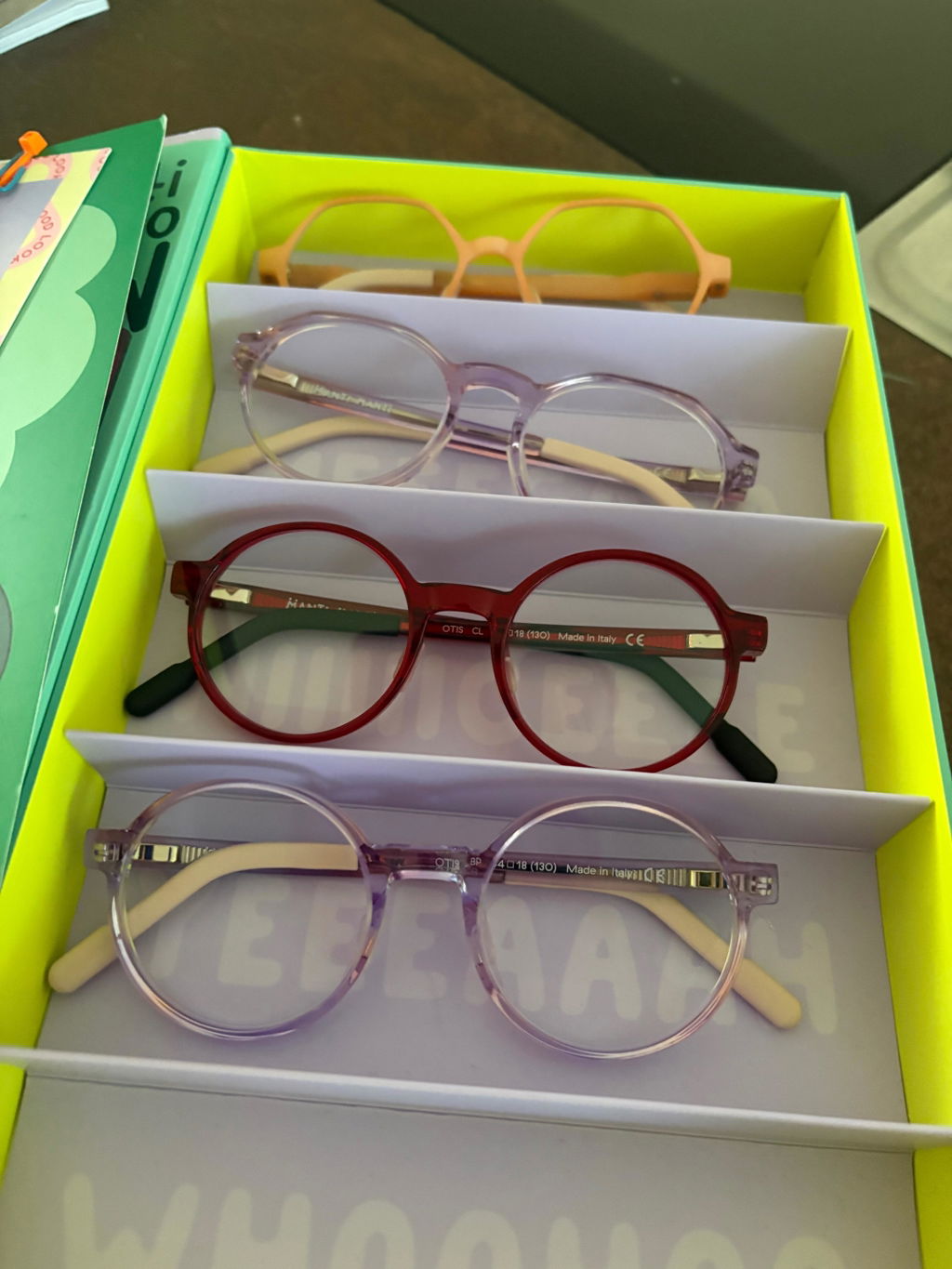
Y.Trunz
Tolle Brille, toller Service!
Wir sind begeistert vom Konzept der Probebrillen, der ganzen Aufmachung, dem Design und der Verarbeitung der Brillen.
Frida - Bubbly Purple Try On
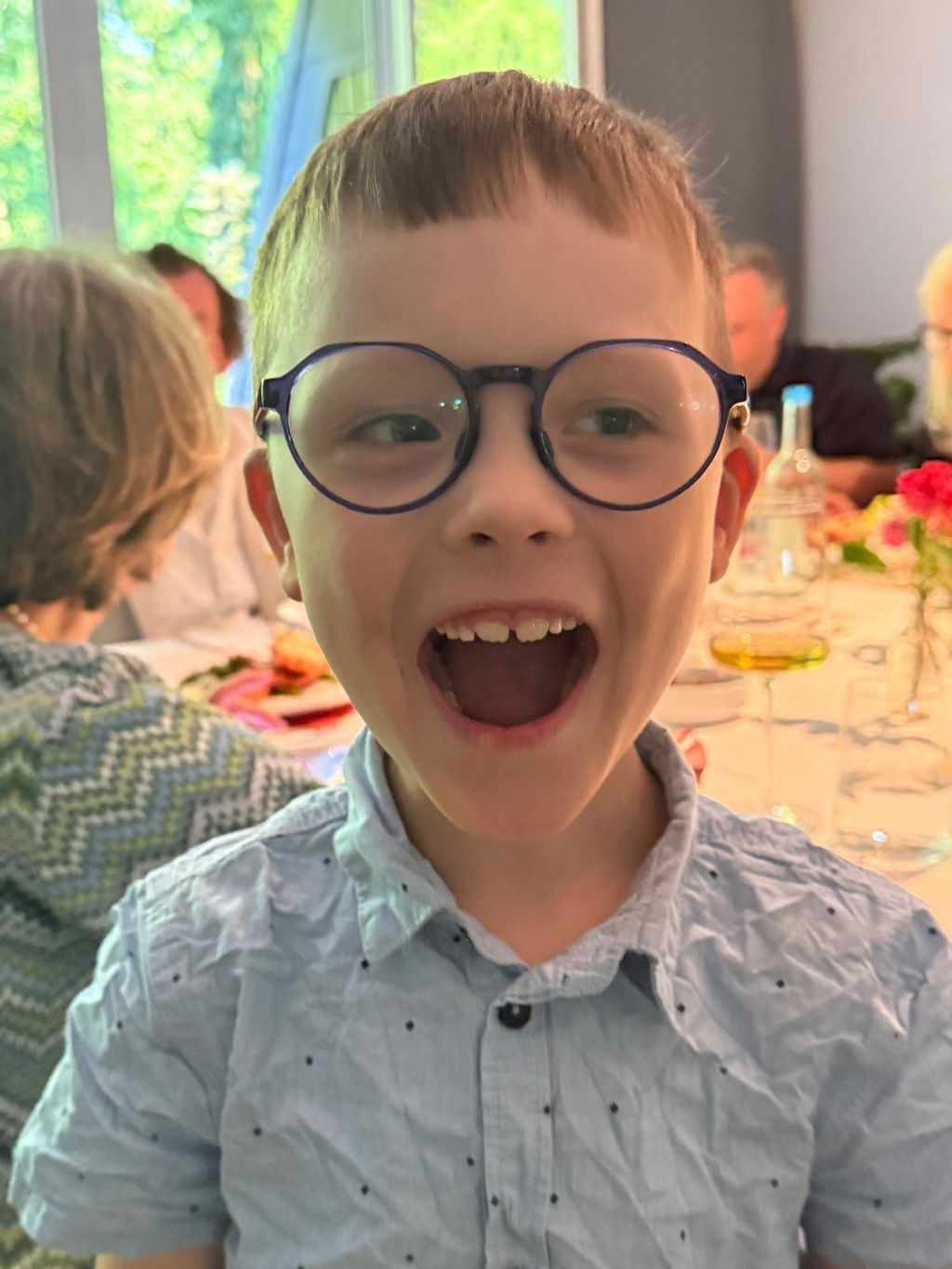
Lennard Stein
Alles super!
Wir haben die Brille seit ein paar Monaten und bisher hat sie allem standgehalten.
Sie sieht auch sehr gut aus und mein Sohn hat viele Komplimente für seine schöne Brille bekommen!
Frida - Laguna Blue
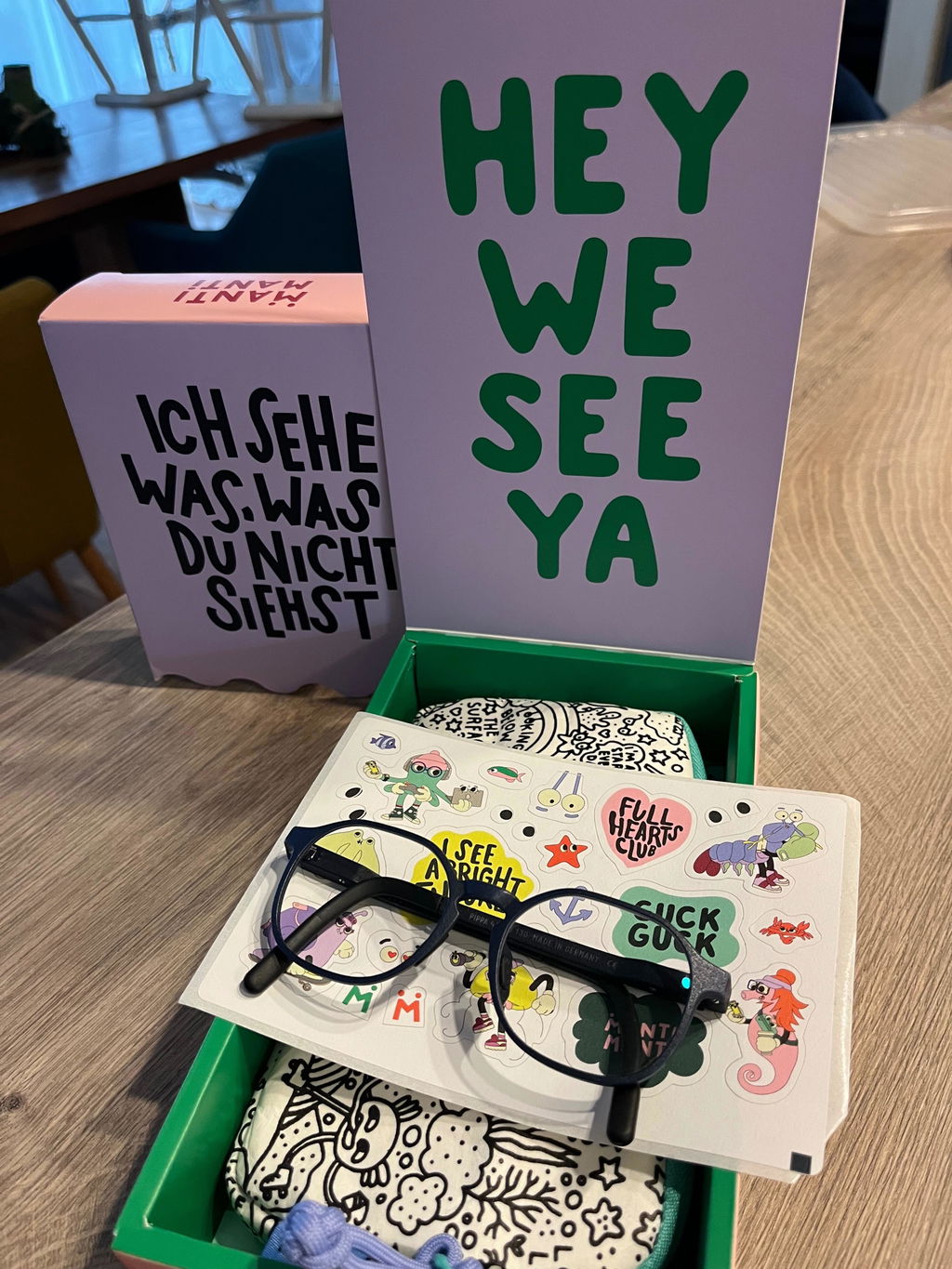
Sophia
Neuverglasung: Top!!
Mein Sohn (6) trägt die Brille jetzt seit einem Jahr, sie war nicht einmal bei der Reparatur.
Jetzt war sie bei der Neuverglasung. -Super Service!! Innerhalb von 7 Werktagen war die Brille zurück und wieder so liebevoll verpackt. Vielen Dank. Wir bleiben MantiManti-Fans !
Manti Manti
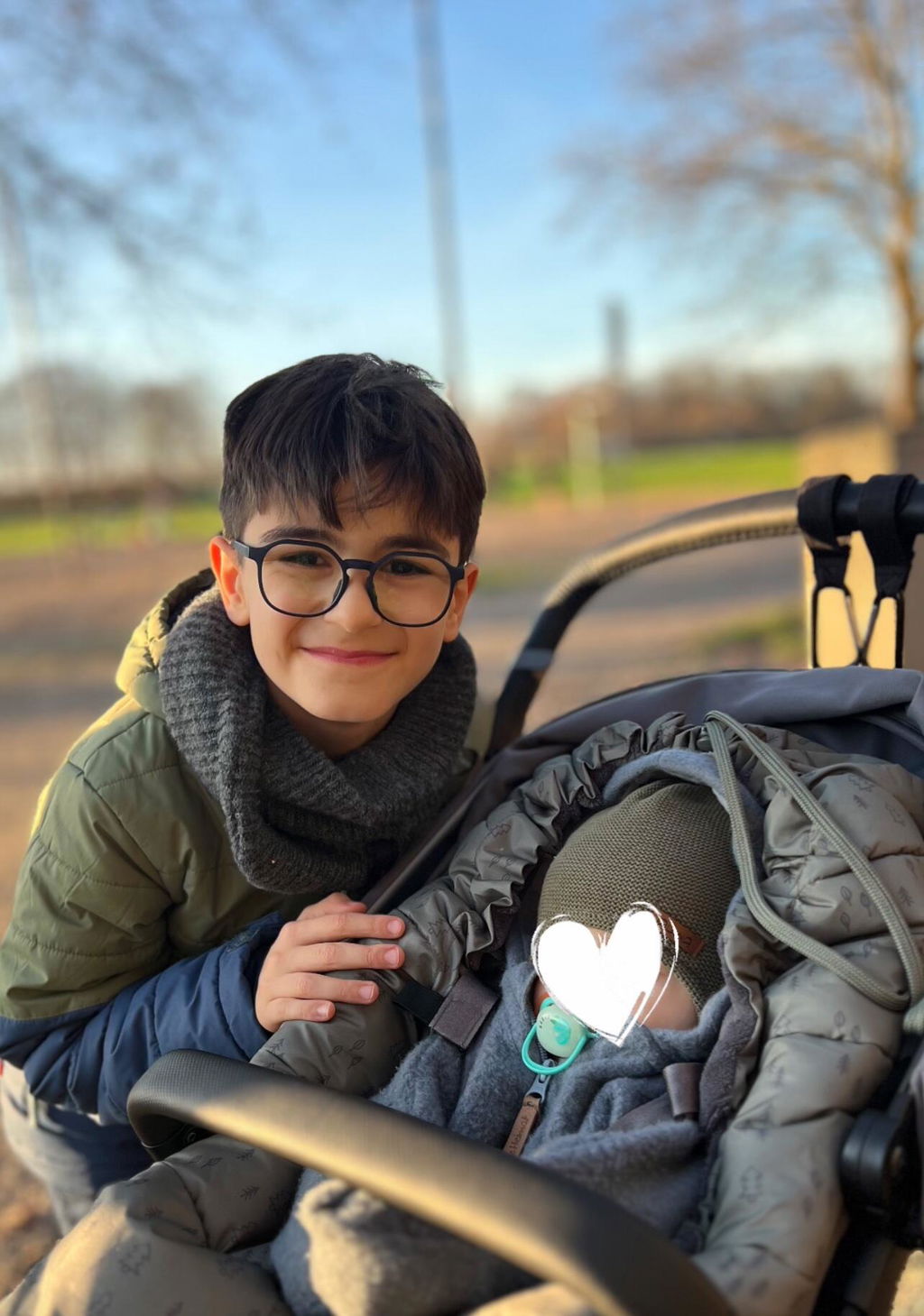
FaYeMi
Tolle Kinderbrillen & herzlicher Service
Wir sind mit dem Unternehmen Manti Manti sehr zufrieden. Die Kinderbrillen sind hochwertig verarbeitet und es gibt eine schöne Auswahl für jedes Alter. Die Beratung war sehr freundlich, kompetent und auf die Bedürfnisse der Kinder abgestimmt. Besonders hervorzuheben ist der herzliche und hilfsbereite Kundenservice. Wir haben uns rundum gut betreut gefühlt und empfehlen das Unternehmen sehr gerne weiter.
Pippa - Dusty Blue

♥ Matilda ♥
Super stylische und coole Brille
Liebes Manti-Manti-Team,
meine Tochter ist überglücklich mit ihrer neuen Brille! Es ist wirklich schwierig, in den üblichen Optikergeschäften schöne und kindgerechte Modelle zu finden – fast schon unmöglich.
Ich verfolge euch schon so lange und freue mich riesig, dass wir es endlich geschafft haben, eine Manti-Manti-Brille zu bekommen.
Bitte macht weiter so und überrascht uns weiterhin mit vielen tollen neuen Farben und Designs! Liebe Grüße Matilda & Tina aus Hamburg ♥
Suse - Raspberry Sorbet
Melisa
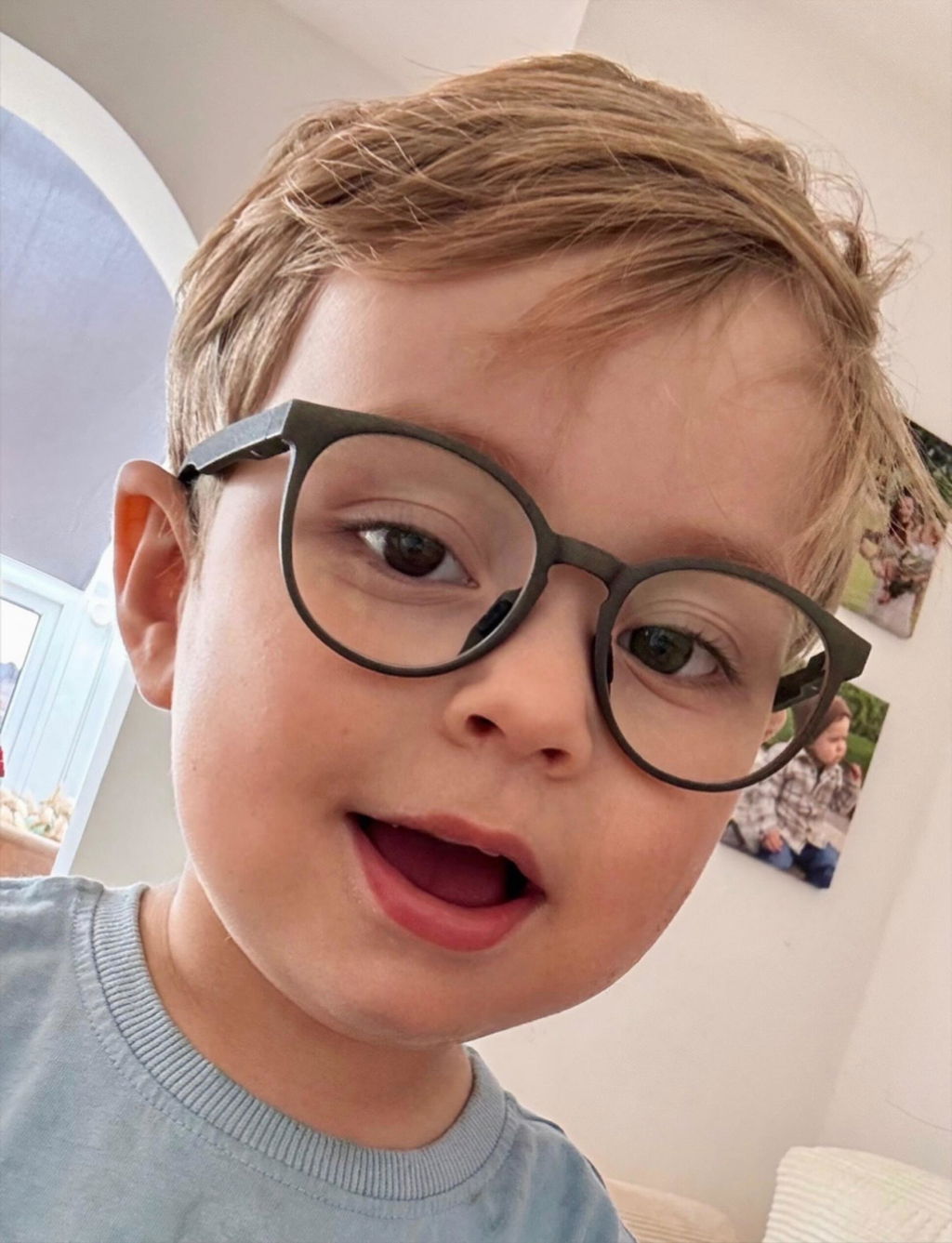
Super schöne Kinderbrille 🫶🏻
Mein Sohn trägt seitdem er 10 Monate alt ist eine Brille.
Wir haben schon einige Brillen Modelle gesehen und anprobiert, jedoch ist diese Brille einfach nur perfekt💚 Alles Drumherum von A-Z sehr zufriedenstellend !
Manti Manti
Victoria Burmeister
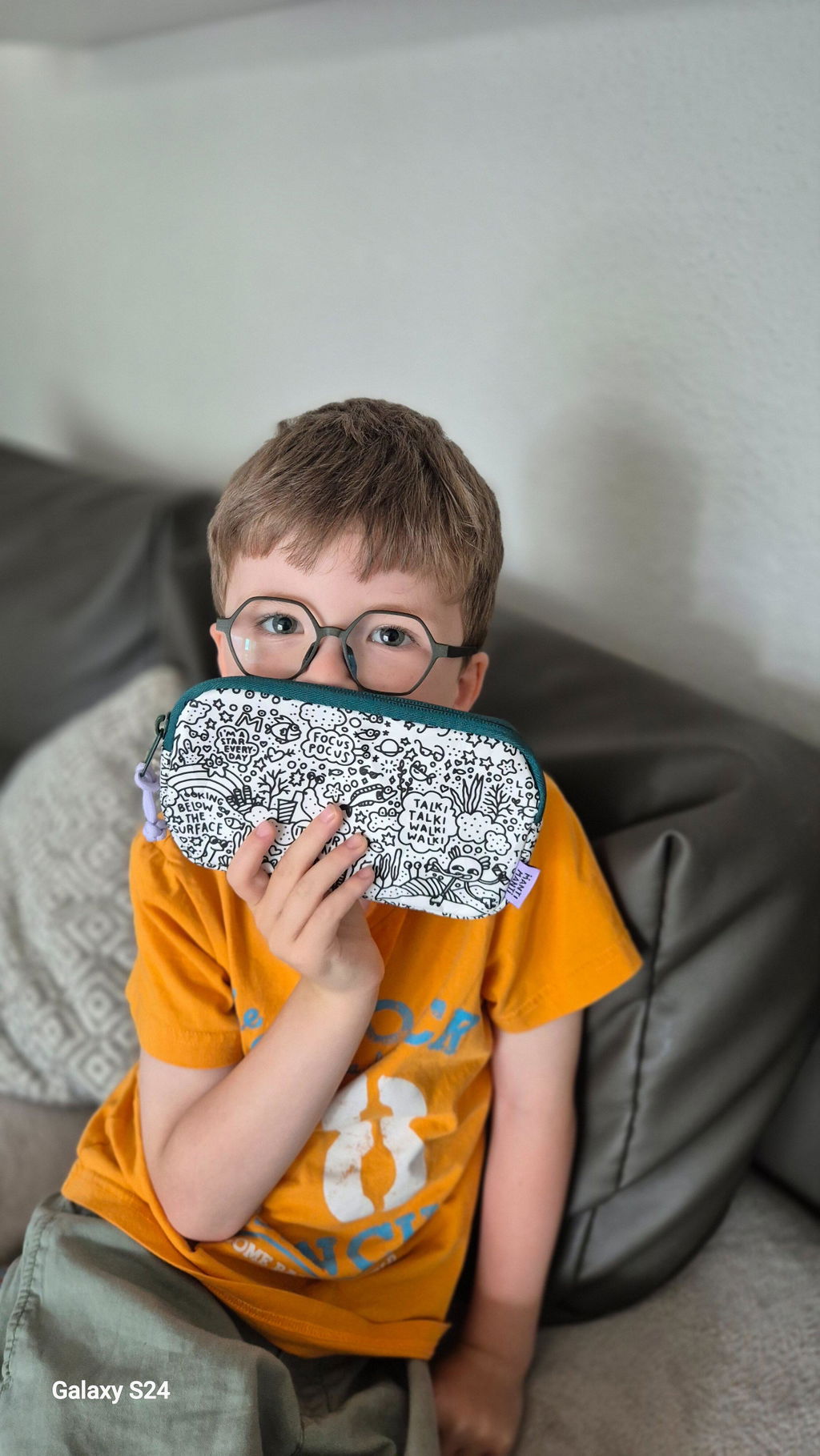
Super tolle Kinderbrille
Gestell ist nachhaltig und robust . Verstellen kein Problem wird selbst gemacht . Wir haben uns für die Gläser Manti Dünner entschieden wow im Tageslicht sieht man kaum Glas . Bei unserem Sohn hätten wir bestimmt schon die 6-9 Jahre nehmen können Schade trotz Probebox war ich mir dort etwas unsicher. Falls sie die Stärken ändern kann man die Brille einschicken und es ausgetauscht. Einfach nur schockverliebt . Sie ist so leicht und mein Sohn trägt sie 24/7 . Macht weiter so ! Ich gebe lieber mehr Geld aus und habe etwas dauerhaftes, langlebig und Kindgerechtes .
Mila - Smoky Olive
Laura Pabst de Cesar
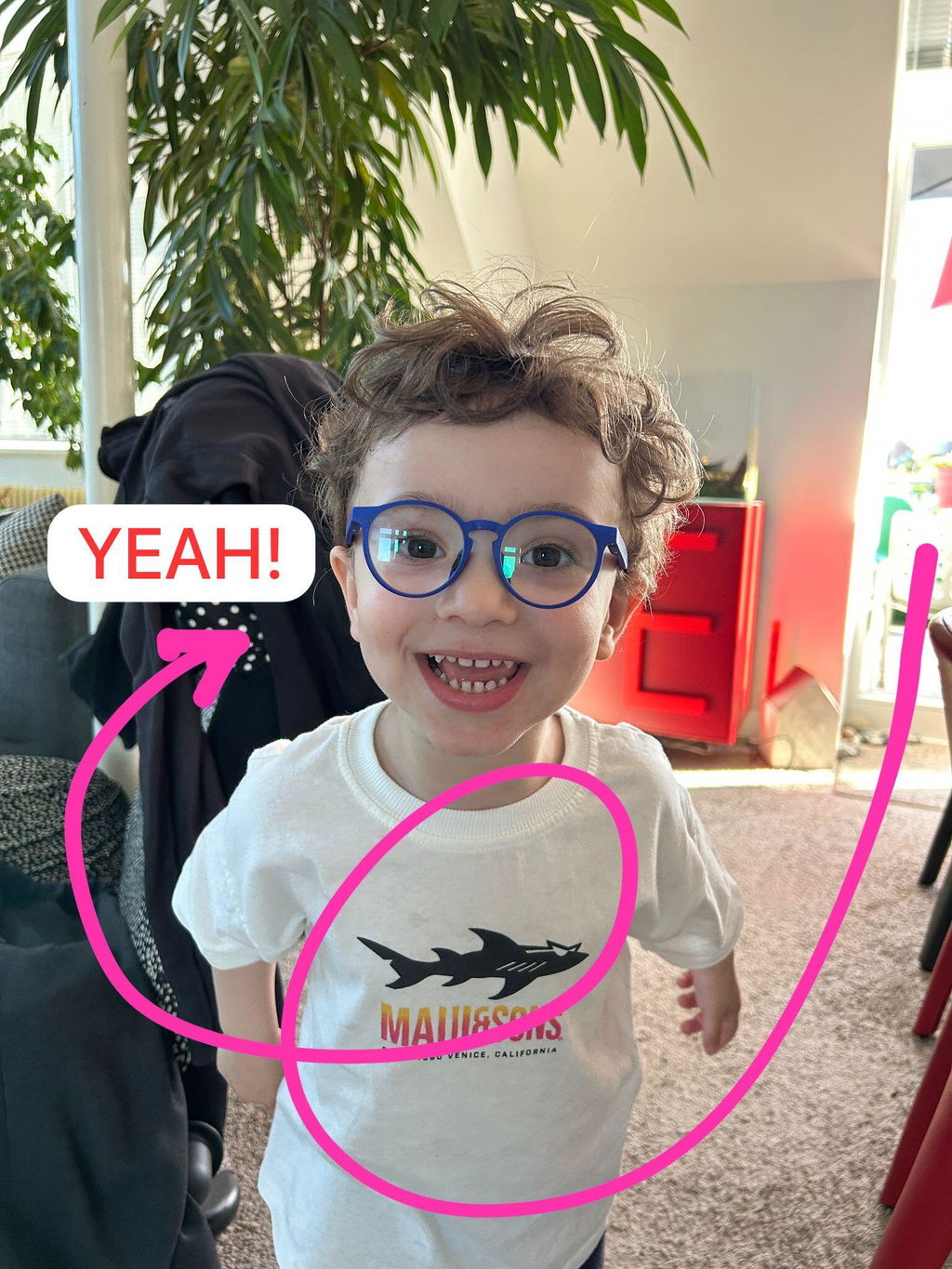
Eine Suse für Luiz
es war wirklich nicht einfach auf diesem „Markt“ der Brillen eine gute, schöne und kindgerechte Brille für unseren Luiz zu finden! Gut dass es Euch gibt, denn ich muss sagen Kinder Brillen und was da alles beachtet werden sollte und wo rum es doch eigentlich wirklich geht -Kinder - ist bei vielen Herstellern noch nicht angekommen…
Wir sind sehr happy mit unserer Suse! Danke dafür!
Suse - Dusty Blue
Ana
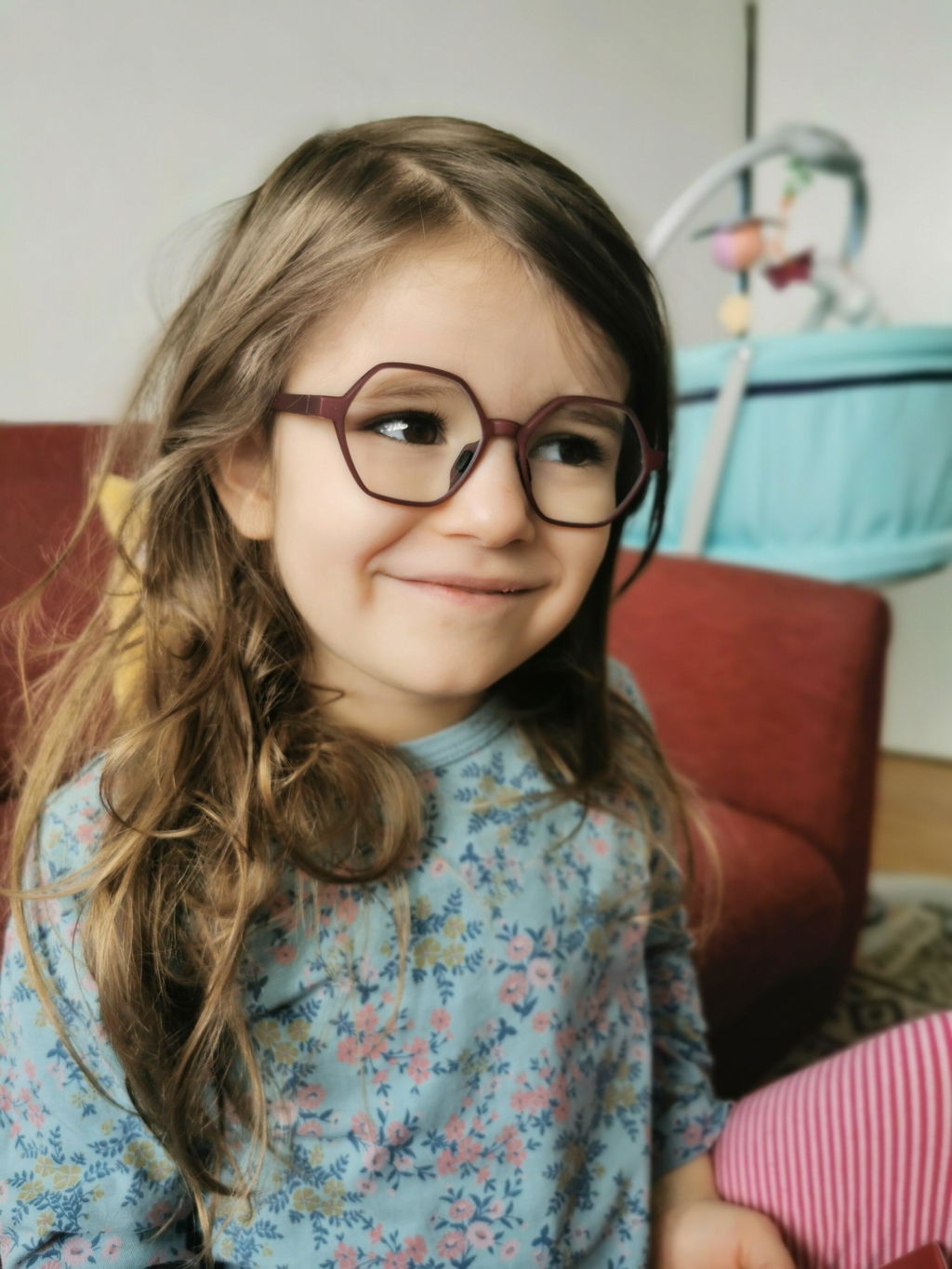
Absolutely amazing!
We are so happy with our purchase. These glasses look absolutely amazing, so chic for our little one. But most importantly they are so comfortable and light to wear. They are also unbreakable, you can stretch them, run around with them, climb, jump, one can tell they were designed for children specifically. We are getting another pair soon 👌
Mila - Raspberry Sorbet Try On

Pheline Grabner
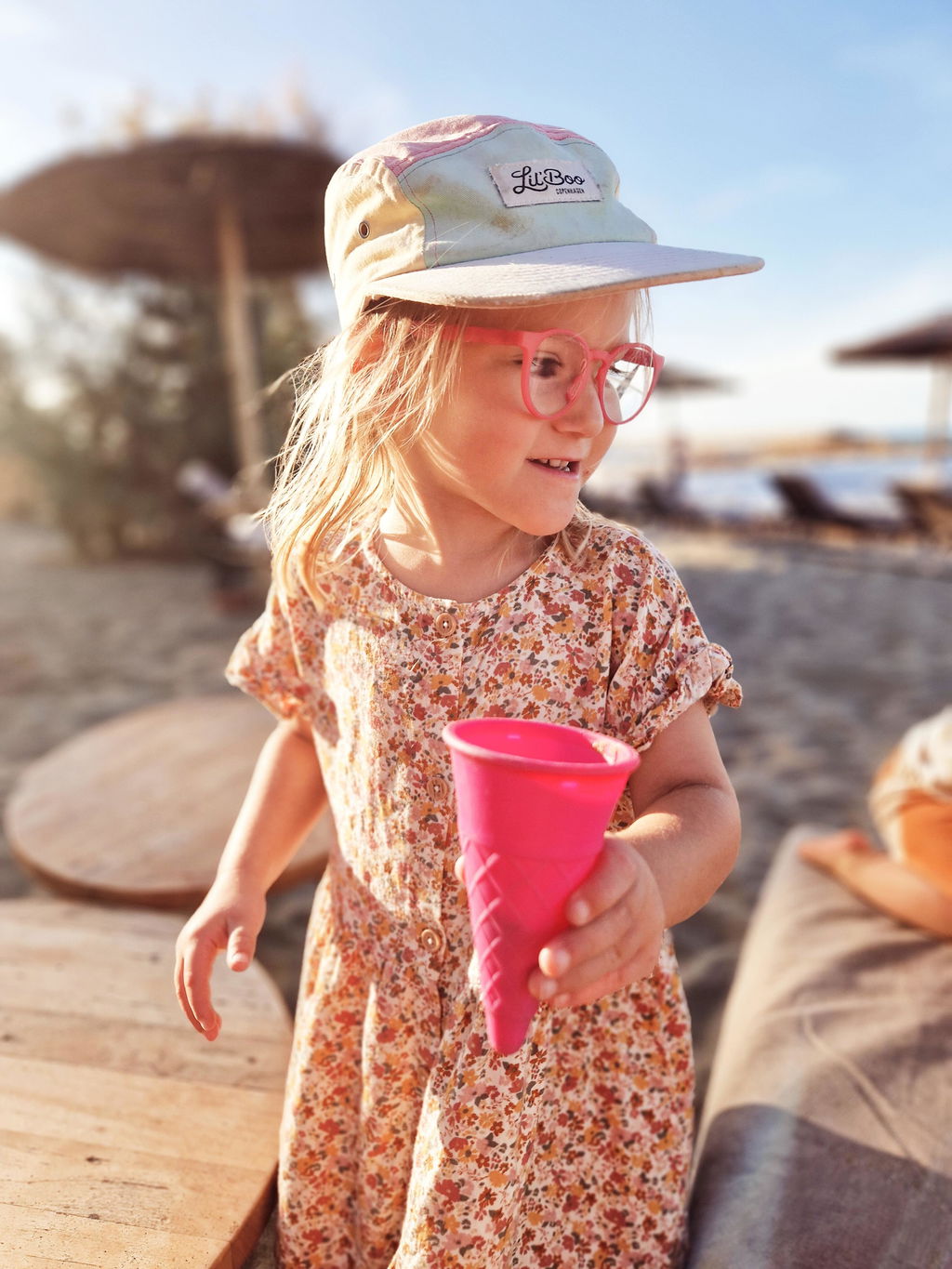
So bezaubernd wie unser Kind
Sie ist kein Model doch sie sieht so aus. Und auch gut durch!
MANTI Superdünn
Cindy Miles
Coolste Brille
Tillys erste Brille. Wir lieben die Suse in hot pink ♡ nachdem ich fast heulend aus sämtlichen Optikerläden in Kiel kam, sind wir dann doch zu Manti Manti in Hamburg gefahren und wurden sofort fündig. Die Brille ist nicht nur super stylish sondern auch mega praktisch. Lieben wir🥰
Suse - Hot Pink
Sophia
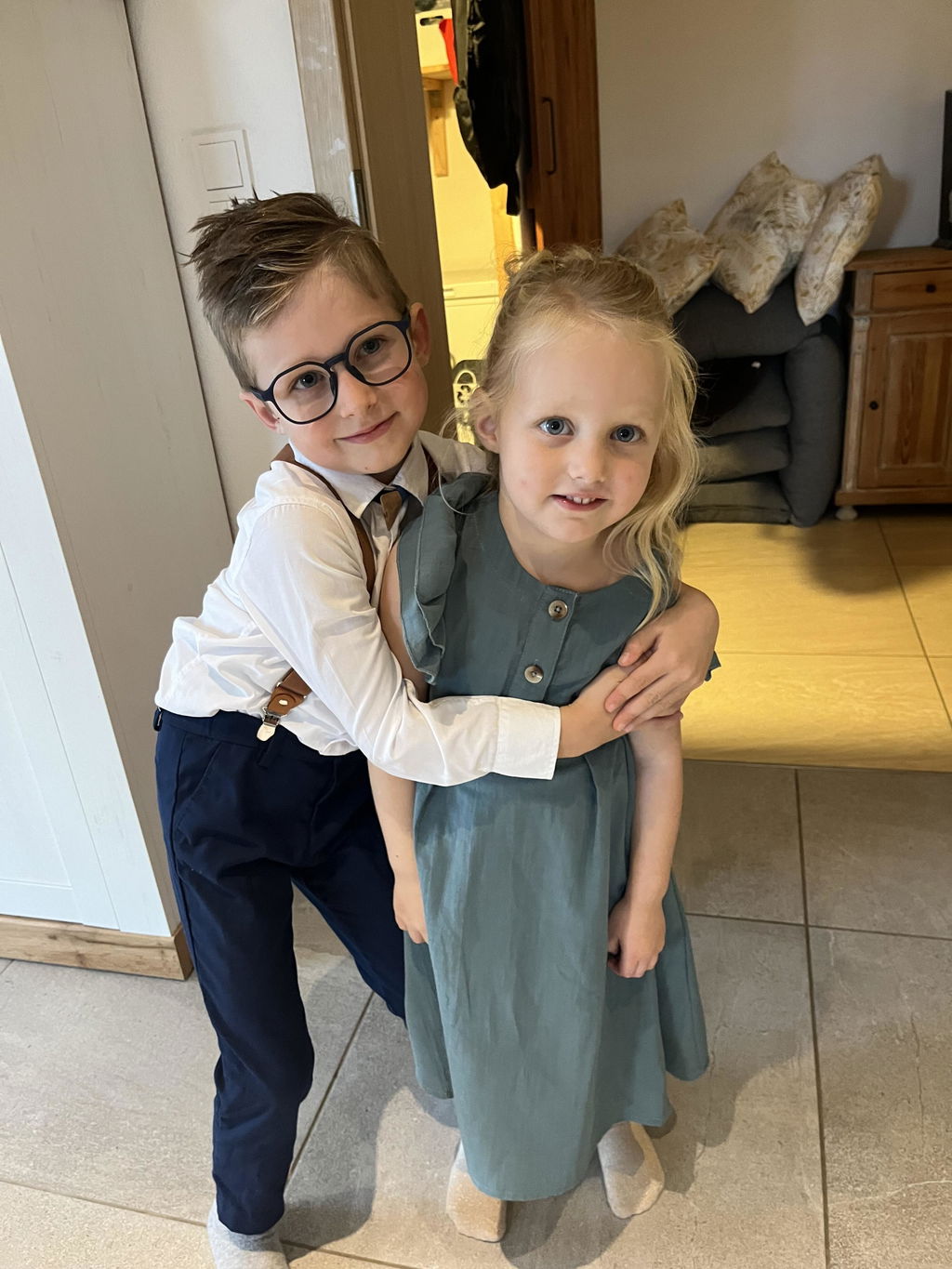
Vom „Brillenverweigerer“ zum obercoolen Typen
Für Sohnemann (5 Jahre) war es eine absolute Katastrophe, dass er eine Brille bekommen sollte. Der Versuch beim Optiker ein passendes Gestell zu finden war nicht möglich. Er wollte partout keine Brille anprobieren.
Durch die Probierbox konnte er sie in seinem gewohnten Rahmen probieren und sogar ein Gestell finden, das nicht ganz so schlimm war 🥴
Seit die Brille da ist, hat er sie ohne Murren auf. Von jetzt auf gleich den ganzen Tag. Sie muss vermutlich auch bequem sein ☺️ und er bekommt überall Komplimente für die coole Brille ☺️
Pippa - Dusty Blue
Jamie-Lee Kiehne
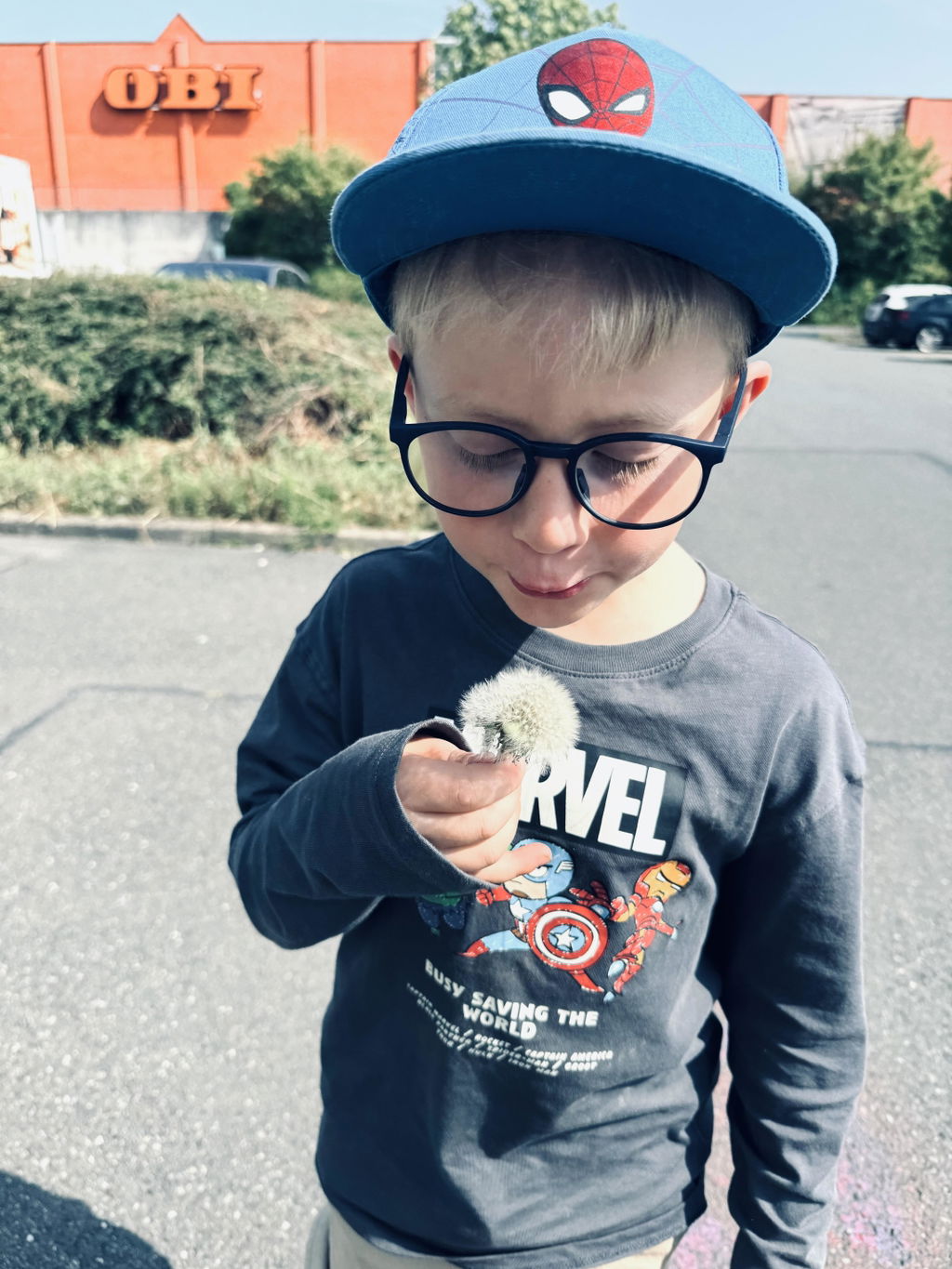
Happy 🫶🏻
Wir sind total begeistert von unserer Casper! Unser Sohn trägt sie total gerne.
Manti Manti

Ricarda Röper
Einfach nur genial! Brille und Service!
Unser Sohn (3 Jahre), wie auch wir, sind begeistert von den tollen Brillen von MantiManti. Sie sind super stylisch, halten jeden menge aus und sind extrem leicht! Wir bekommen jeden menge Komplimente für die tolle grüne Brille! Auch der Service ist toll; kompetent, schnell und sehr freundlich! Wird sicherlich nicht unsere letzte Brille von MantiManti sein! Tolle Produkte - super Service! > macht weiter so!!
Manti Manti
Mirka Kissel-Storch
Einfach genial
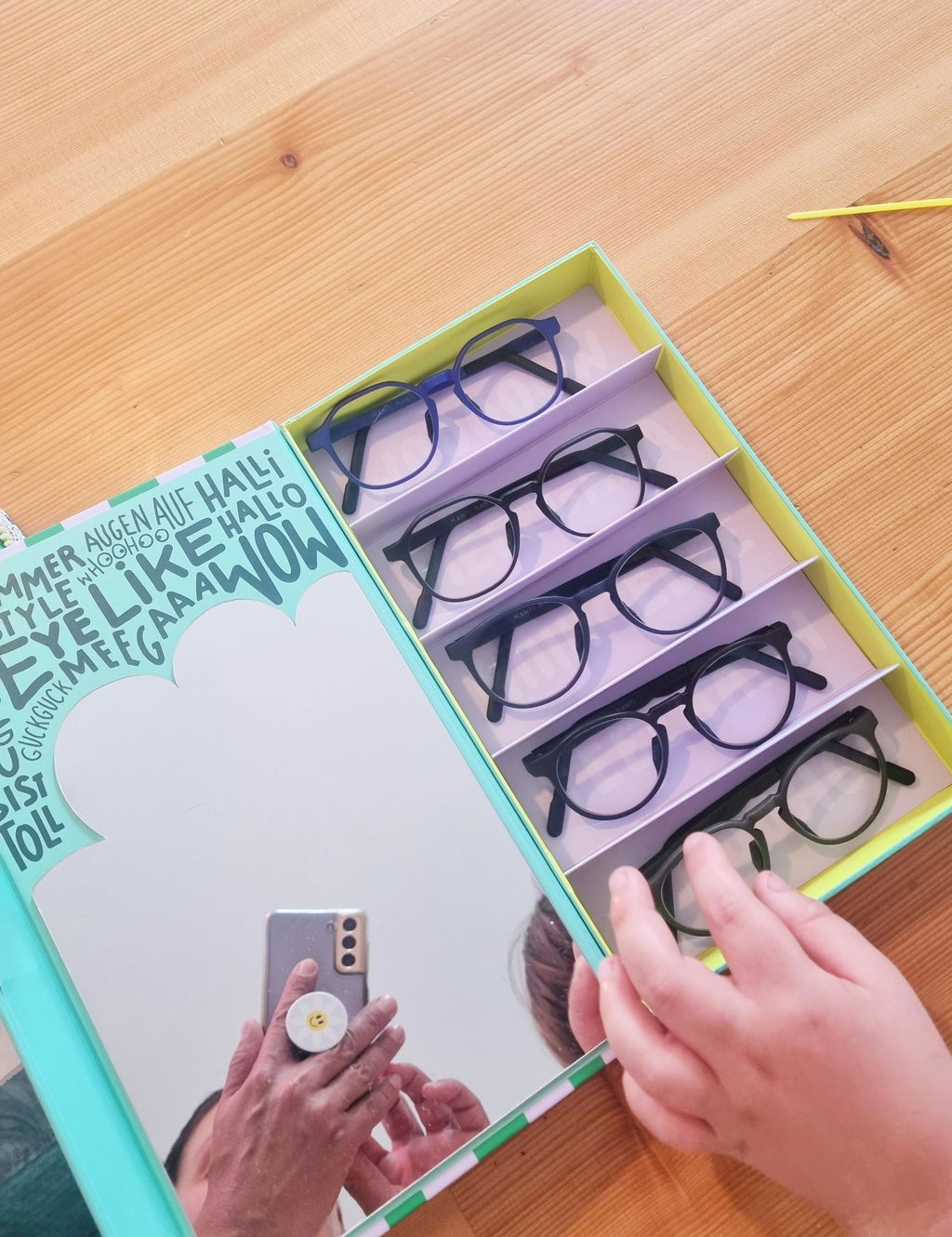
Oh mein Gott. Was ist das für ein super sweetes Packaging. Ich liebs. Und dann diese Testbox. Einfach genial. Und natürlich haben wir sofort eine tolle Brille gefunden und können es kaum erwarten, die finale Brille zu bekommen!!! Casper in schwarz hat das Rennen gemacht...
Caspar - Dusty Blue Try On